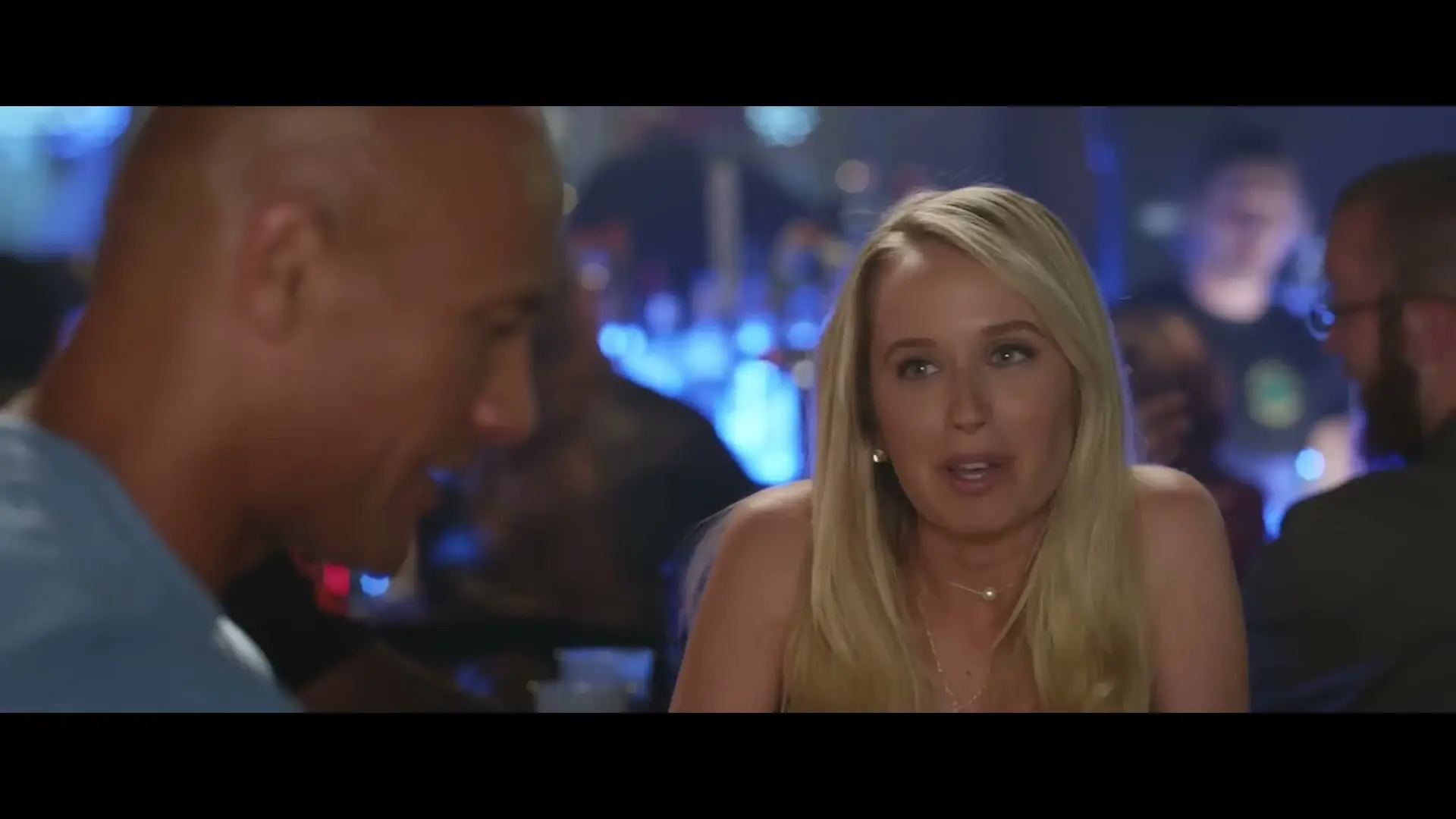
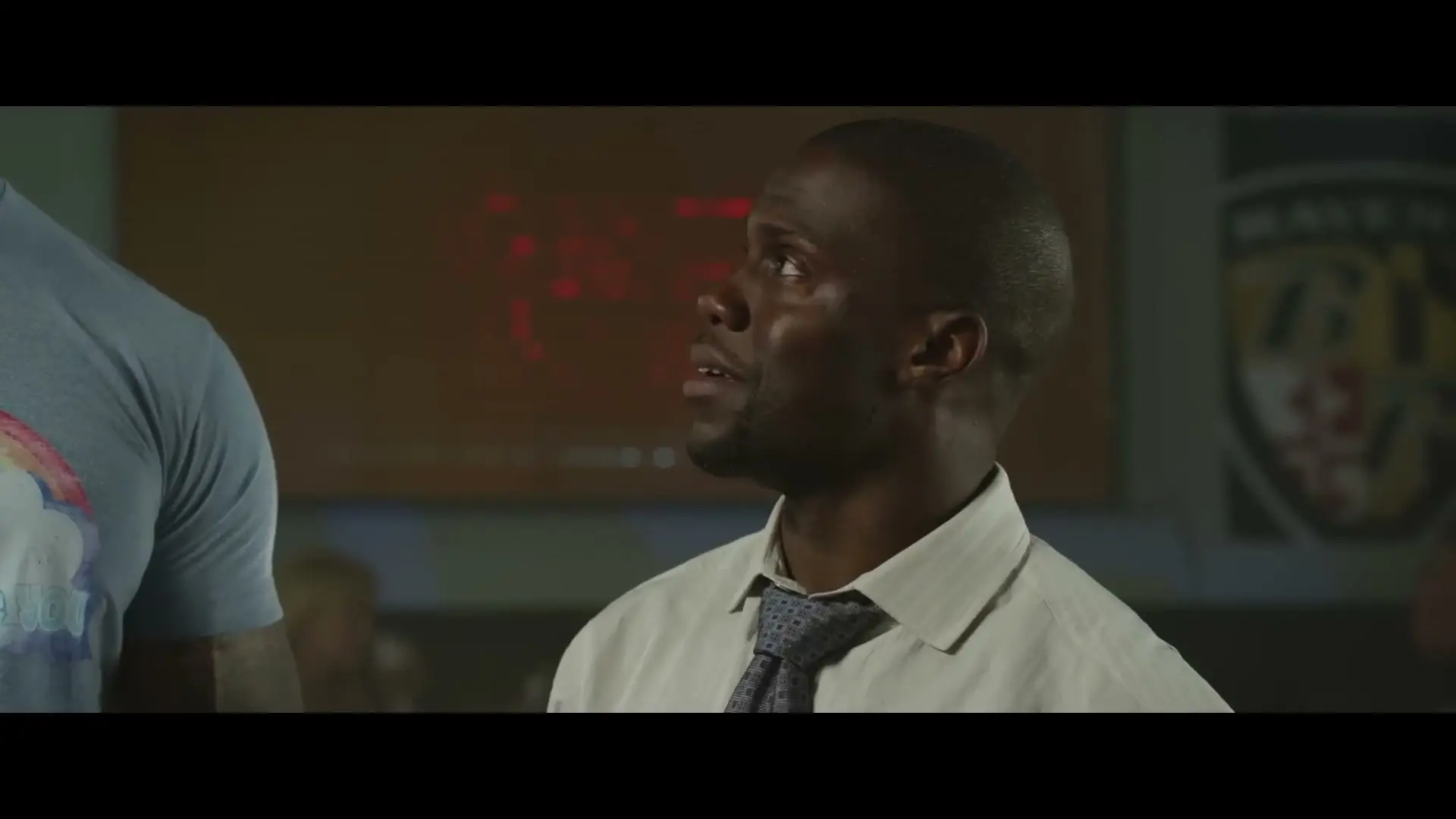
A ticking bomb sits inside a detective's mouth while his partner tries to decode hand signals in the middle of a shootout.
That single image captures the manic brilliance of Rush Hour 2.
Few action comedies from the early two-thousands have aged with the effortless, kinetic energy of Brett Ratner's 2001 sequel.
A supercut of the film's most iconic sequences proves why the pairing of Jackie Chan and Chris Tucker remains the gold standard for buddy-cop chemistry.
From the glittering chaos of a Las Vegas casino floor to the perilous bamboo scaffolding high above Hong Kong, the film never lets its foot off the gas.
It understands that great action comedy relies on two distinct engines running at full speed simultaneously.
Jackie Chan brings balletic precision, treating every prop, ledge, and body in a room as an instrument for physical storytelling.
Chris Tucker brings a vocal velocity that turns mundane misunderstandings into operatic meltdowns.
Together, Inspector Lee and LAPD Detective James Carter operate like a jazz duo improvising in the middle of a hurricane.
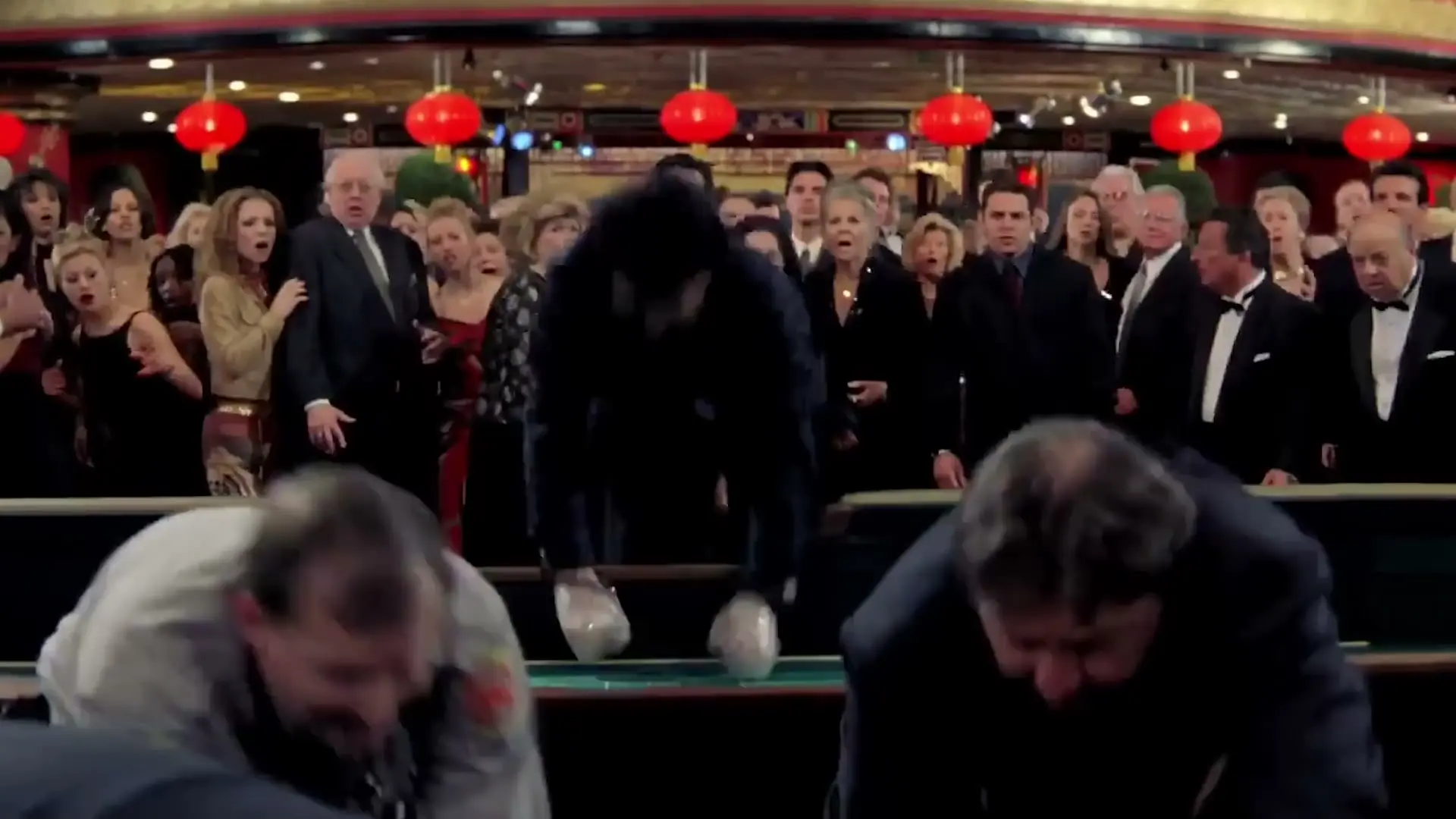
Early in the supercut, Carter stands on a crowded casino table, soaking in the thrill of a massive $500,000 win.
He pitches his vision of the American Dream as a business where people hand you money and you give nothing back.
Tucker milks every second of that spotlight, strutting with misplaced confidence right up until security forces him down.
Even when he is being escorted toward the cashier by a wall of Secret Service agents and guards, Carter turns the walk of shame into a stand-up routine.
He jokes about avoiding a beating from wealthy onlookers, transforming tension into pure crowd-pleasing bravado.
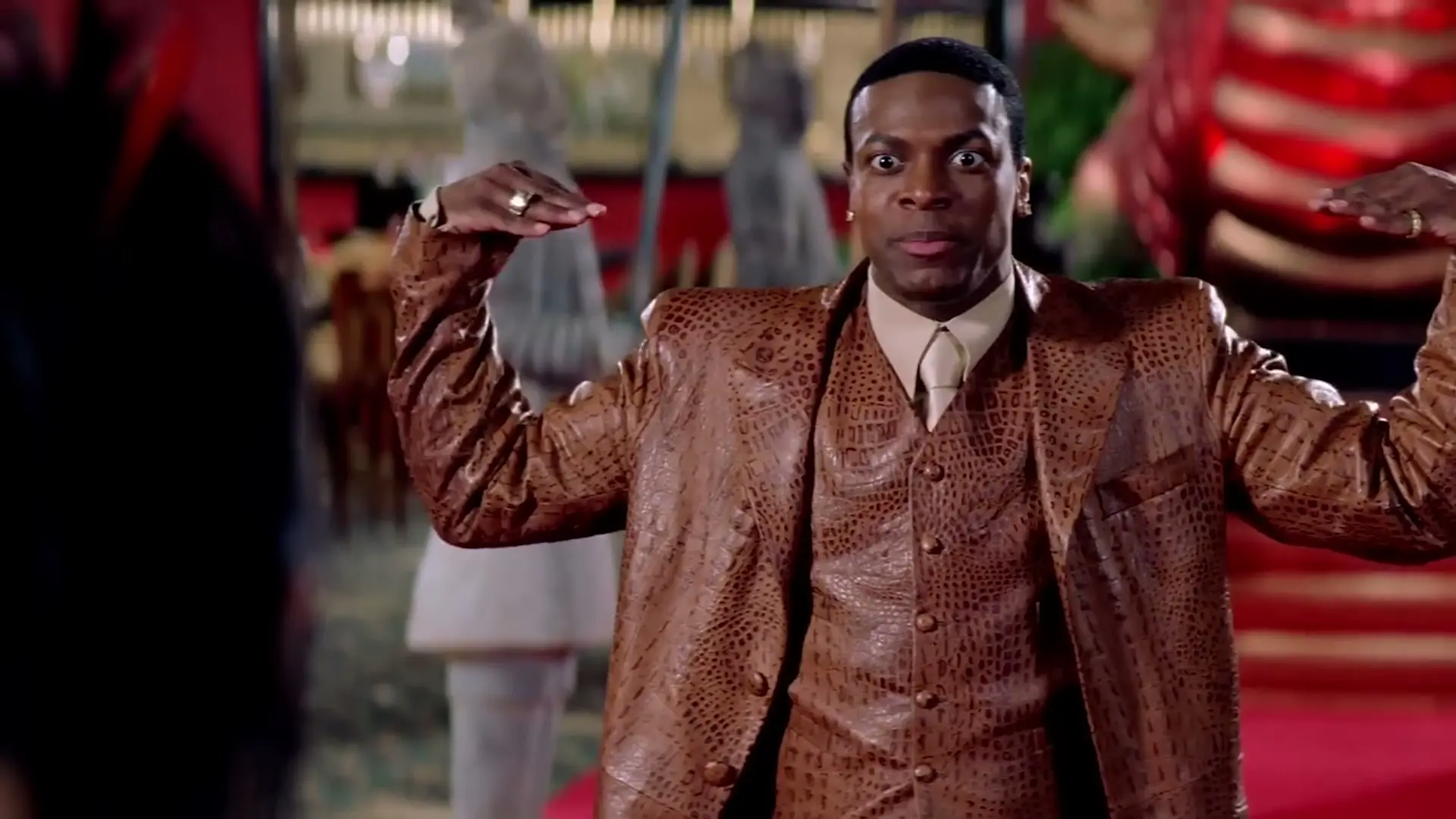
That refusal to stay quiet under pressure defines Carter's entire approach to police work.
Nowhere is that contrast sharper than when the action shifts to the dense, vertical maze of Hong Kong.
During a high-stakes pursuit, Inspector Lee scales flimsy bamboo scaffolding several stories above the street with feline grace.
Chan moves upward without hesitation, turning a construction hazard into a vertical highway.
Behind him, Carter scrambles onto the poles, visibly terrified as the structure sways in the open air.
Tucker plays the panic at maximum volume, gripping the bamboo as if gravity were a personal enemy.
The juxtaposition works because neither performer breaks character to wink at the camera.
Lee treats the climb as routine duty, while Carter reacts like any sane person trapped fifty feet above concrete.
Language barriers only pour more gasoline on the fire.
When Carter tries to question locals in Hong Kong without understanding a word of Cantonese, his rapid-fire assumptions spiral out of control.
Exaggerated hand gestures and loud, confident misinterpretations turn a simple street inquiry into instant pandemonium.
Tucker's cadence accelerates with every syllable, building comedic pressure until the entire scene erupts.
Yet the film never reduces Carter to mere comic relief.
When the stakes turn lethal, he steps directly into the line of fire alongside his partner.
During a tense confrontation involving Ricky Tan and the double-crossing Hu Li, the duo faces a literal ticking clock.
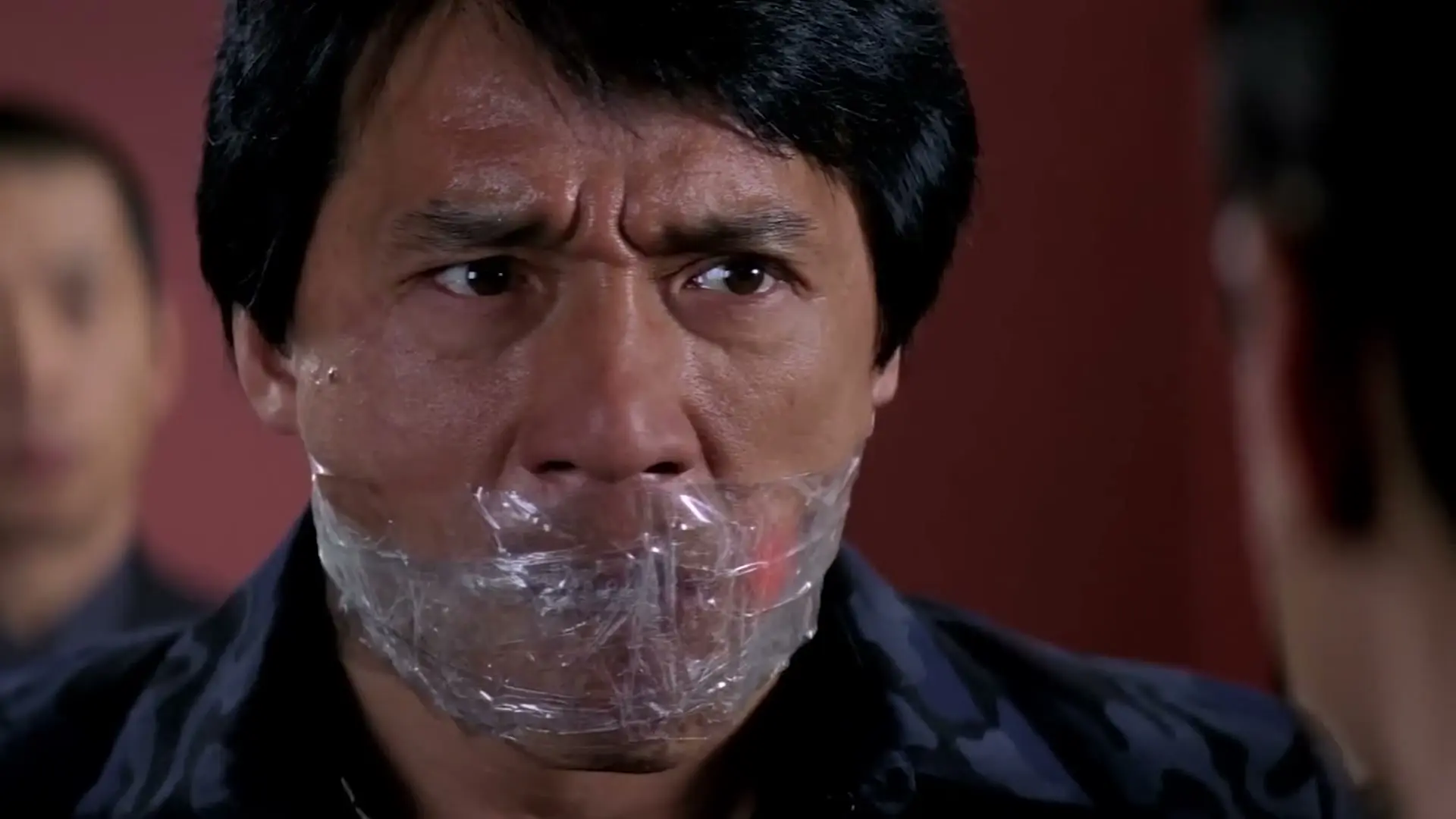
A miniature explosive device ends up lodged inside Lee's mouth, leaving him unable to speak a single word.
What follows is a masterclass in silent-film physicality colliding with modern verbal panic.
Lee tries to mime the letter M to warn Carter about the bomb, frantic eyes darting as the fuse burns down.
Carter stares back in utter confusion, guessing wildly while bullets fly and enemies close in.
When he finally realizes what is happening, the sheer absurdity of the predicament hits before the shockwave does.
The sequence transitions seamlessly from slapstick panic to genuine adrenaline as Lee launches himself out of danger just in time.
Seconds later, the detective is already back on his feet, insisting that Ricky Tan is still alive and heading for the penthouse.
Before they can reach the top, Carter volunteers to hold off the lethal Hu Li so Lee can pursue their primary target.
Facing a deadly martial artist, Carter attempts to psych himself up with a bizarre pep talk.
He announces that he will not go easy on her just because she is a woman, declaring that he will pretend she is a handsome man he wants to take to the movies.
Even his trash talk comes wrapped in surreal, disarming insecurity.
Inside a crowded Hong Kong establishment, Carter tries a similar intimidation tactic against a towering enforcer.
He puffs out his chest, throws out aggressive posture, and delivers loud threats designed to establish dominance.
Within seconds, the massive henchman effortlessly tosses Carter across the room like a ragdoll.
The sudden drop from arrogant swagger to instant physical defeat lands like a punchline delivered at ninety miles an hour.
Yet Carter always bounces back, adjusting his strategy on the fly.
When he squares off against Hu Li, he pulls out self-proclaimed Egyptian martial arts moves, taunting her to bring it on.
The choreography respects both actors' strengths.
Chan's fights are crisp, rhythmic, and inventive, using spatial awareness and split-second timing to outmaneuver multiple attackers.
Tucker's brawls are messy, desperate, and hilarious, relying on wild dodges, loud protests, and sheer willpower to survive.
Even in the aftermath of a brutal fight, Carter finds room for a devastating one-liner.
Standing over a defeated Hu Li, he thanks Benjamin, laments that they could have had something special, and flatly tells her that she is crazy.
The line lands because Tucker delivers it with the weary sincerity of a man who has survived too many explosions in a single afternoon.
Beneath the stunts and the punchlines, Rush Hour 2 endures because of the genuine affection between its two leads.
Carter complains endlessly about trusted partners getting killed or putting him in mortal danger, yet he never abandons Lee when the bullets start flying.
Lee rolls his eyes at Carter's theatrics, yet he trusts the American detective with his life on rooftops, casino floors, and collapsing ledges.
Modern action blockbusters often drown their stars in digital effects and joyless, self-serious dialogue.
Revisiting these classic clips reminds audiences how thrilling it is to watch two performers at the peak of their powers relying on timing, charisma, and real physical commitment.
Over two decades later, the chemistry between Chan and Tucker still sparks like a live wire, proving that true comedic magic never loses its punch.
Watch full video here: